
Tilt mode
The sash tilts inward at the head for controlled ventilation.
One sash, two movements: tilt at the head for controlled ventilation, or turn inward like a door for full opening and cleaning from inside.
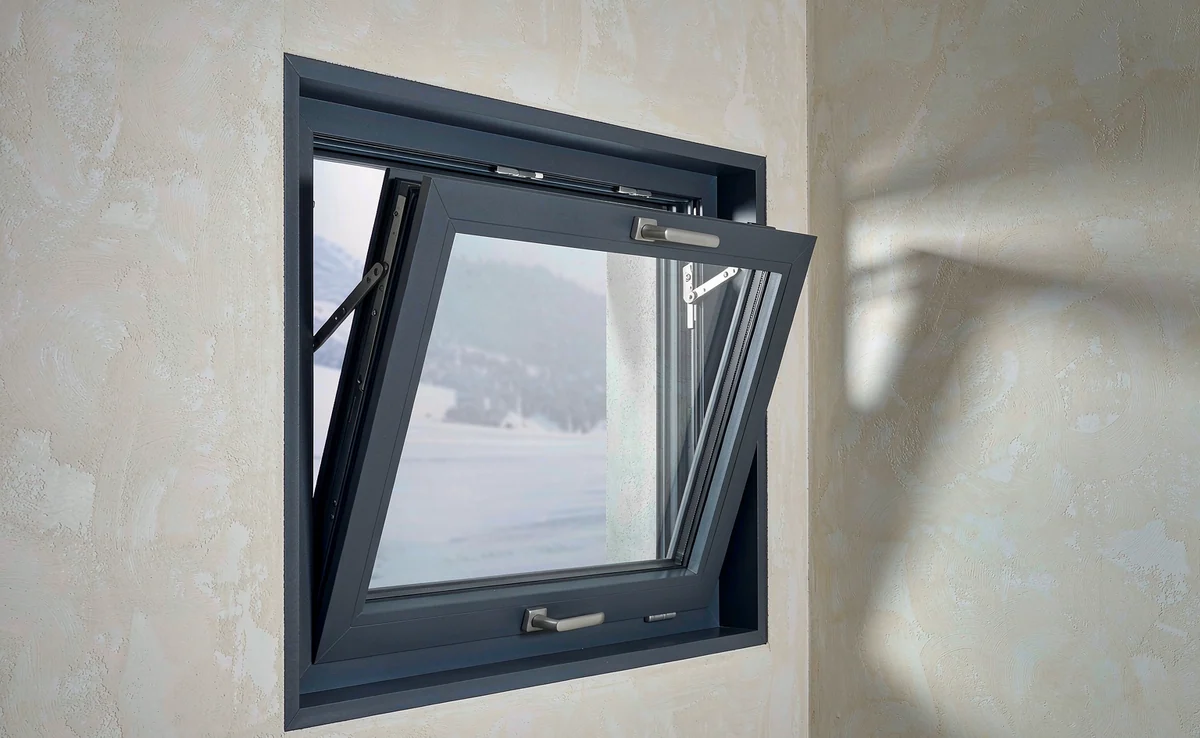
One sash, two movements: tilt at the head for controlled ventilation, or turn inward like a door for full opening and cleaning from inside.
The sash tilts inward at the head for controlled ventilation.
The sash turns inward on side hinges for access and cleaning.
Turn-first and tilt-first hardware use different sequences; follow the selected hardware instructions.
Configurations are selected for project requirements; specifications vary by system and order.
| Tilt mode | The sash tilts inward at the head for controlled ventilation. |
|---|---|
| Turn mode | The sash turns inward on side hinges for access and cleaning. |
| Handle sequence | Turn-first and tilt-first hardware use different sequences; follow the selected hardware instructions. |
| Frame | Thermal-break or other available frame family confirmed for the project. |
| Hardware | Scissor stay, corner transmission, hinges and locking points form a matched system. |
| Safety | Restrictors, child safety and accessible operation reviewed for the opening. |
Confirm the combination as one ordered assembly.
Product and sample views for discussing the relevant construction.

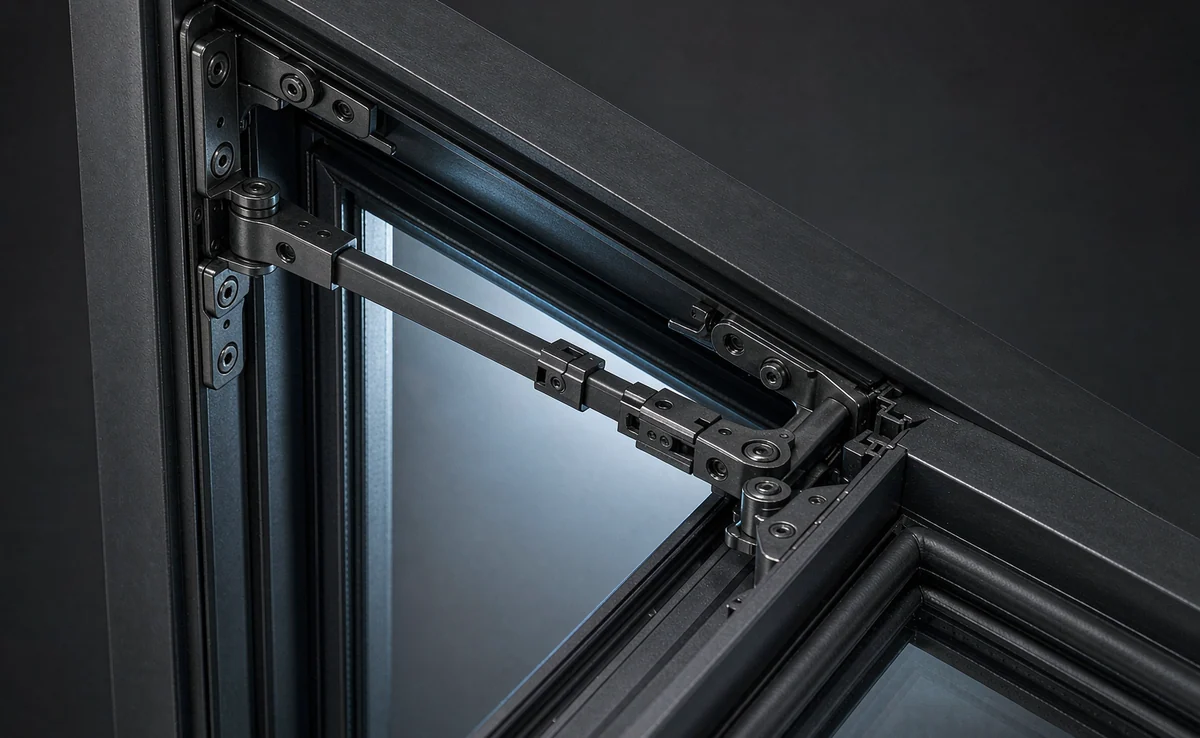
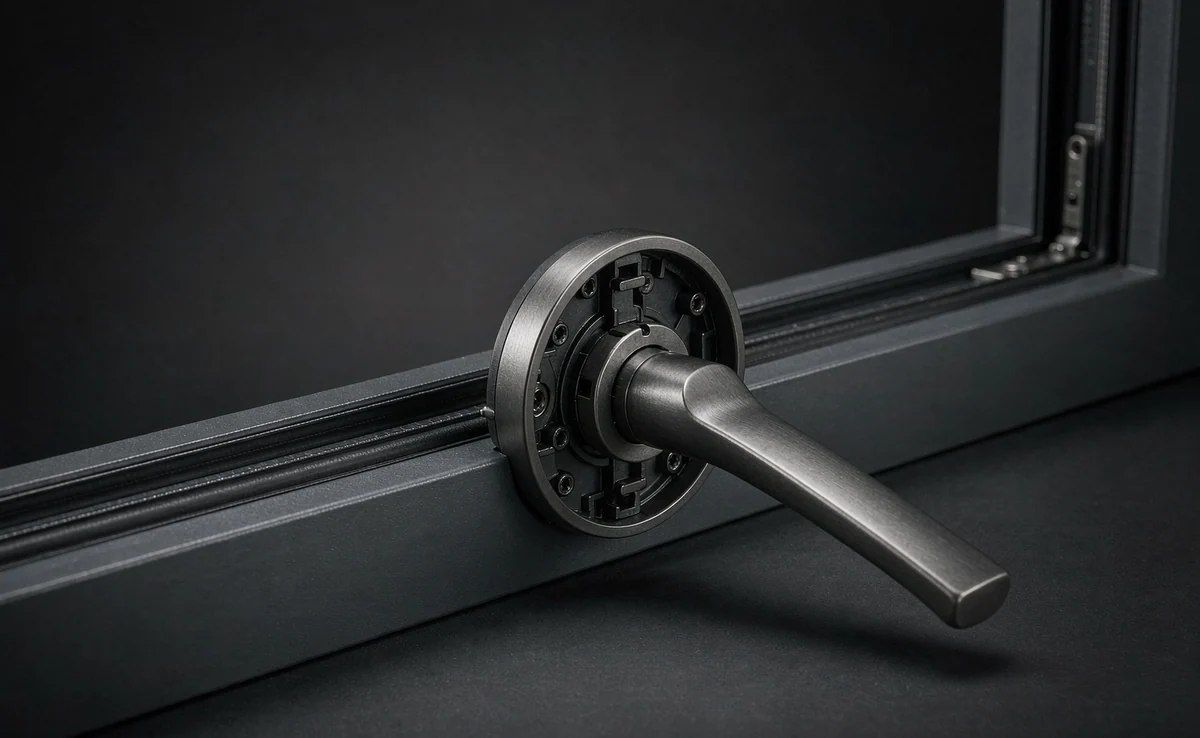
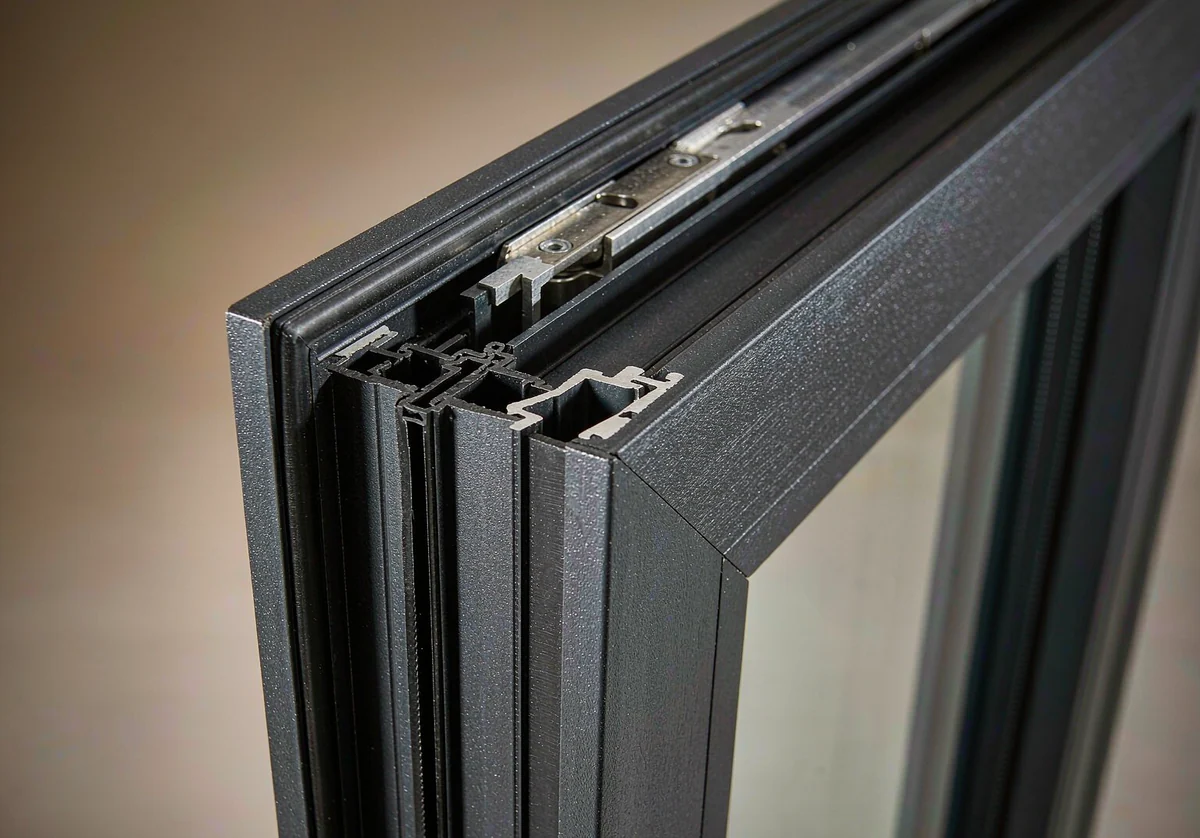
Send the installation conditions and target requirements with your drawings. Performance, safety and approval documents must cover the exact assembly being supplied.
A tilt-and-turn sash tilts inward at the head and also turns inward on side hinges. A conventional top-hung sash hinges at its top and opens at the bottom. The frame and hardware are different.
Standard tilt and turn sash turns inward, which is what allows cleaning from inside. Outward-opening variants are a different product family and are quoted separately.
The sash needs room to swing through roughly 90 degrees inward, plus space for the handle. Check radiators, curtains, furniture and the sill projection before fixing the handing.
Where an open window creates a fall risk, the project must specify appropriate guarding or opening restrictions under the applicable local requirements. A tilt-first operating sequence alone is not a fall-protection measure. If a lock-controlled TiltFirst system is proposed, confirm the exact hardware and how it prevents unauthorized full opening, including key control and any release conditions. Have the project designer and hardware supplier confirm the complete safety arrangement.
Send your opening schedule, destination and configuration priorities for a factory quotation.